Dog walks · Water breaks
Choose a dog water bottle.
For walks and travel.
Choose a setup your dog drinks from comfortably, you can hold steadily and you can fill with enough clean water for the route.
A bottle with an attached bowl keeps the pieces together. A separate bottle and travel bowl can work just as well when you need more water, a wider bowl or a way to use the bottle you already own.
Choose your setup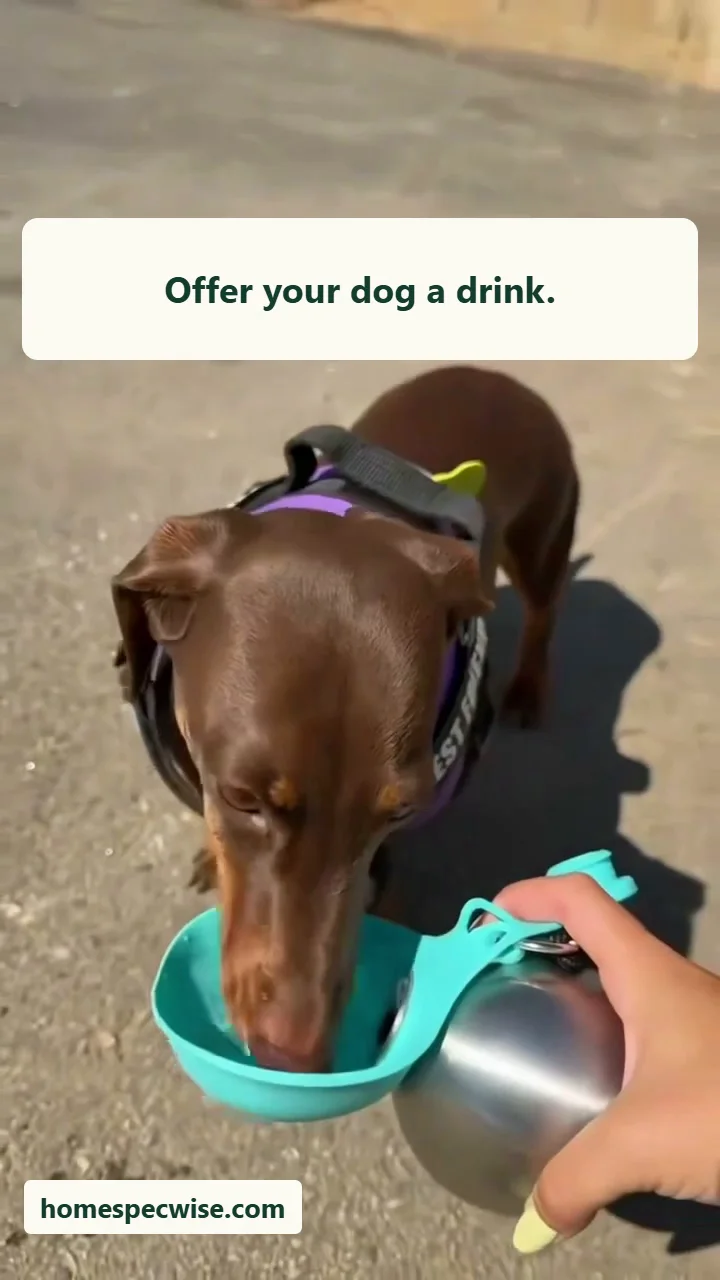
This guide contains an affiliate buying link. If you buy through it, we may earn a commission at no extra cost to you. As an Amazon Associate I earn from qualifying purchases.
Start with your route and how you prefer to handle the bottle. The BLOWADM fold-out bowl bottle linked below is one buying example.
Start with your routine
1. Which design fits your walk?
| Your main need | Consider first | Check before buying |
|---|---|---|
| Keep the bottle and bowl together, ready to grab | A bottle with an attached fold-out bowl | The open bowl’s width and depth, where you hold it and its folded size. |
| Offer water while holding the bottle, with fewer opening steps | A squeeze or button-operated bottle | How much effort dispensing takes, how flow stops and how to clean the valve. |
| Carry more water, or use a wider bowl that rests on the ground | A separate water bottle and travel bowl | Total water capacity, a stable bowl base and where you will carry both pieces. |
| You already have a suitable bottle and dog bowl | Try your current combination on a familiar route | Whether the real gap is capacity, bowl access or convenient storage. |
For example, the Springland Pets 22 oz Original fills its bowl when squeezed and returns leftover water to the bottle when released. Compare the handling and cleaning steps together when choosing this kind of design. Brand design details.
2. Start with how your dog drinks
Use a bowl your dog already likes as a reference. Note its opening width, depth and your dog’s drinking posture, then compare candidate designs. Once a new bottle arrives, try a little fresh water at home and watch these details:
| What to watch | A comfortable result | If it needs adjusting |
|---|---|---|
| Opening and depth | Your dog reaches the water naturally without repeatedly pressing its muzzle against the rim. | Try a wider, shallower bowl or a separate travel bowl. |
| Bowl stability | The bowl stays in position and small movements do not repeatedly spill the water. | Adjust your grip. If your dog prefers drinking from the ground, try a stable travel bowl. |
| Your handling | You can stop, keep control of the lead, then open the bowl and offer water. | Choose simpler opening steps or a separate bowl you can set down securely. |
| Your dog’s response | Your dog approaches and drinks normally. | Try again in a familiar, quiet place and compare with its usual bowl. Keep the option it willingly uses. |
Use drinking posture to judge the opening. Check water capacity separately: a bottle that holds more water can still have a narrow bowl.
3. Plan capacity around your route
Arrange how you will carry or replenish clean drinking water. For a familiar route, record how much leaves the container:
Water used from the container = starting water + refills − water left on return.
This includes water your dog drinks, water spilled and leftover water you discard. It helps you plan container capacity.
Next outing’s water plan = recorded use in similar weather, activity and route conditions + extra for delays, spills and additional stops.
The figures below are an illustration. Replace them with your own records:
| Item | Illustrative amount |
|---|---|
| Water at departure | 500 ml |
| Refills during the walk | 0 ml |
| Water left on return | 260 ml |
| Water used from the container | 500 + 0 − 260 = 240 ml |
| Extra planned for the next outing | 160 ml (example assumption) |
| Next outing’s planned water | 240 + 160 = 400 ml |
In this example, a bottle labeled 285 ml needs additional water carried alongside it, or a larger container that holds the planned amount.
Offer water when your dog needs it. Replan if the weather, activity, number of dogs or route changes. For an unfamiliar long outing or uncertain refill points, arrange extra water and a route you can shorten. This is a carrying plan, not a daily drinking allowance for a dog.
In hot weather, adjust the timing and activity first. The RSPCA advises walks in the cooler early morning or evening and access to clean water and shade; contact a vet promptly if your dog shows clear signs of overheating. Summer walking and water advice.
4. Work out what you will carry
Total carrying weight (g) ≈ empty bottle, bowl and attachments (g) + water added (ml).
At room temperature, 1 ml of water weighs about 1 g. If an empty bottle, bowl and attachments weigh 220 g, adding 500 ml of water brings the total to about 720 g. These are example figures, not a measured weight for the product below.
Check empty weight and dimensions before buying. On arrival, add your planned water amount, try holding it and check it in your own bag pocket or cup holder. Inspect the strap and its attachment points too.
Choose a setup you can carry steadily, then meet the water plan with additional storage or reliable refills.
A fold-out design in use
Three moments on a walk
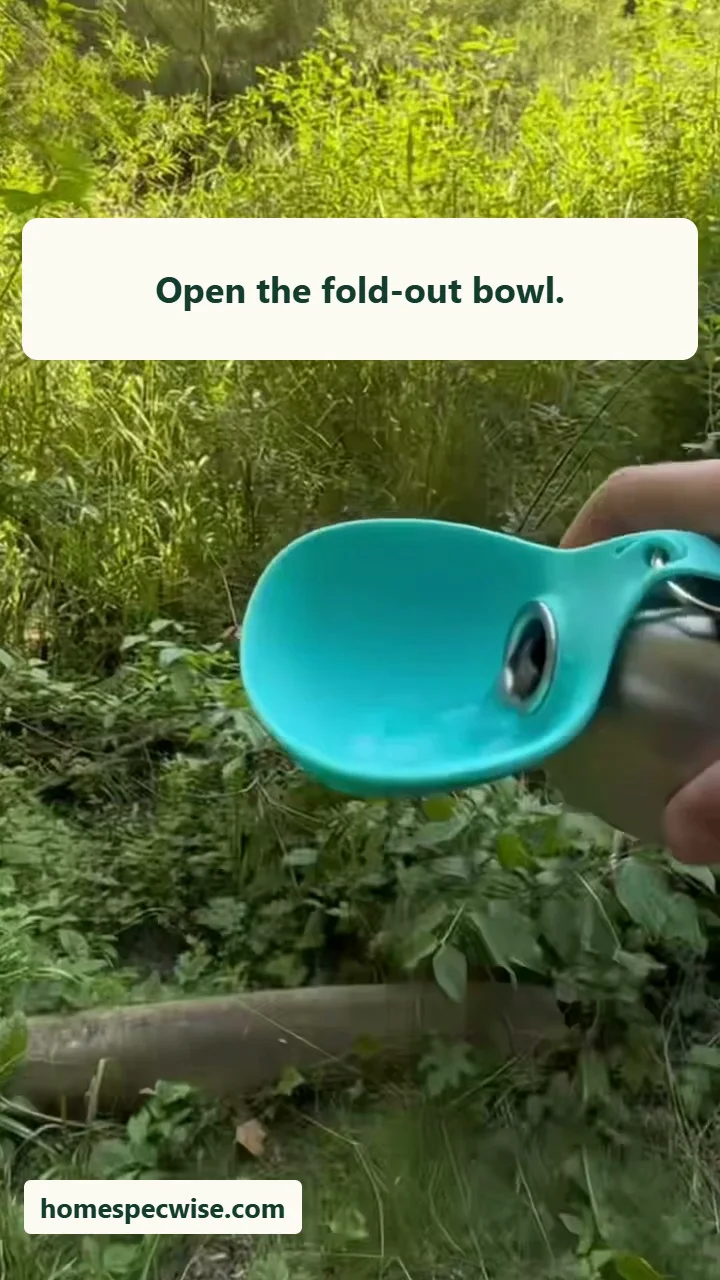
Open the bowl
Unfold the drinking space and check the opening against the bowl your dog already uses comfortably.
Stop and offer water
Stop walking, secure your hold on the lead and steady the bowl while your dog drinks.
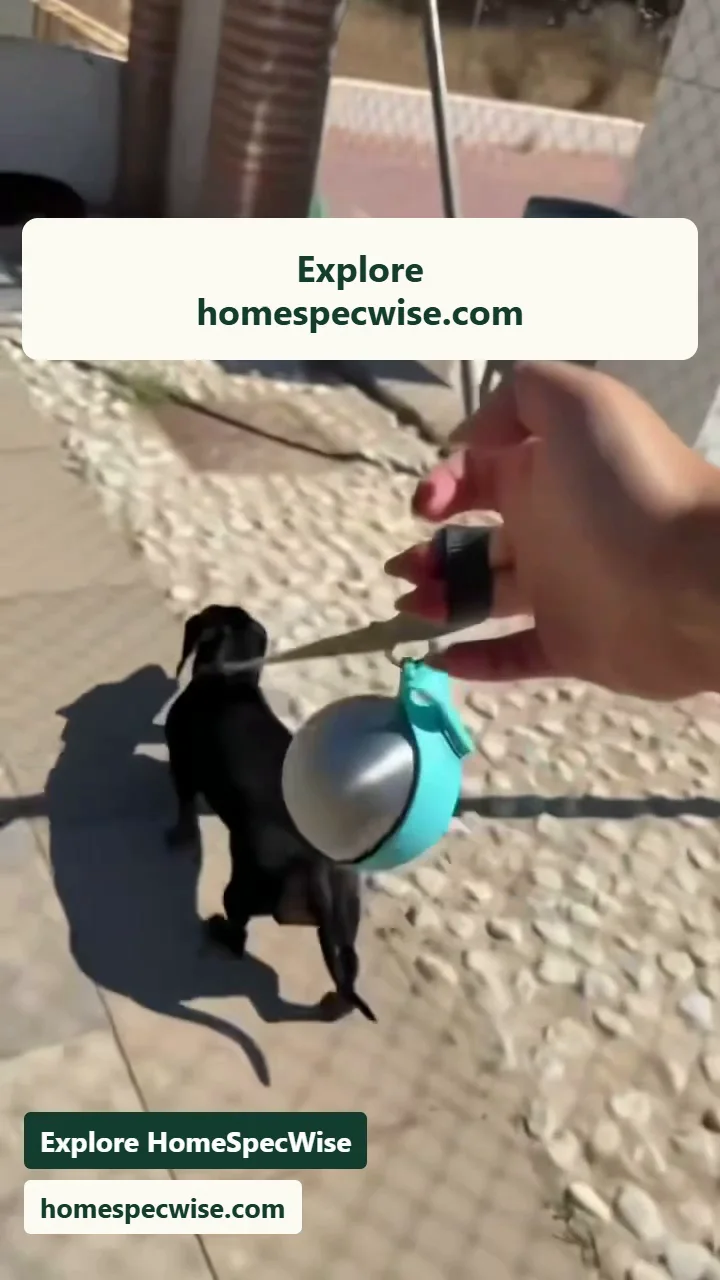
Close and carry
Close the bottle as instructed. Check the connection points and how it feels with your planned amount of water.
5. Check it on the first use
Clean as directed, then try the bottle over a sink or another easy-to-dry area. Check the seller’s trial and return conditions first, and keep the order details and packaging.
| What you notice | Try first | Continue or resolve it |
|---|---|---|
| Smooth opening, controlled flow and a clear stop | Use a little water to open the bowl, dispense and close it. | Then try holding and carrying your planned water amount. |
| Water at the rim or a connection | Dry the outside, check the cap and seal fit as instructed, then check in the position you plan to carry it. | If it repeatedly seeps after drying, contact the seller. Use another intact container for the walk. |
| Hard squeezing or difficult flow control | Recheck this model’s unlocking, pressing or squeezing steps. | If it is still awkward, choose a simpler design. Easy handling matters more than another feature. |
| Your dog hits the rim, cannot reach the water or avoids the bowl | Adjust the position and compare with a familiar water bowl. | Choose a more suitable opening or the option your dog willingly uses. |
| A cracked bowl, faulty valve or loose strap connection | Photograph the issue and follow the order’s support process. | Take it out once the affected parts are repaired or replaced and secure. |
With a water-return design, offer small amounts at a time. If dirt or debris enters the bowl, discard that water, clean the bowl and add fresh water. If people and dogs share a water supply, pour into separate drinking containers to keep their drinking surfaces separate.
6. Clean the bowl, bottle and seals separately
The CDC recommends cleaning pet water bowls daily, and more often when dirty or smelly. For routine cleaning, scrub with warm water and soap or detergent, rinse and dry. Use a dishwasher for items labeled dishwasher-safe. CDC pet-supply cleaning guidance.
| Part | Routine care | Before putting it away |
|---|---|---|
| Drinking bowl | Wash surfaces that contact the muzzle and any folding grooves; rinse. | No visible dirt, slimy feel or detergent residue. |
| Water reservoir | Empty leftover water and clean the inside and opening as instructed. | Clean and thoroughly dry before storage. |
| Cap, valve and seals | Take apart only as instructed and clean accessible areas. | Seals are intact and correctly fitted; opening, closing and dispensing work normally. |
| Strap and outside grip | Clean according to the material’s care instructions and inspect the attachments. | Dry, without obvious wear or loose connections. |
Match dishwasher use and disassembly to the version. For example, Springland Pets instructs users of its 22 oz Original to remove the top bowl and straw and allows top-rack dishwasher cleaning. Follow the instructions for other models individually. Care steps for that model.
If a noticeable smell remains, look for trapped dirt and clean again. Replace the affected part or container according to the manufacturer’s guidance when it cracks, becomes difficult to clean or no longer seals properly.
7. Compare the complete setup cost
Delivered setup cost = bottle price + any extra bowl or carrying accessories needed + shipping + tax − discounts.
| Setup | What to count | When to consider it |
|---|---|---|
| Your current bottle and a suitable bowl you already own | $0 in new purchases if you own both. | Your tools meet the main need; try carrying them first. |
| Your current bottle plus a new travel bowl | The bowl, necessary accessories and order charges. | You mainly need easier storage or a better bowl opening. |
| A new bottle with an attached bowl | The whole delivered price; check whether a strap is included. | You want fewer loose pieces, and both capacity and bowl fit your needs. |
| A small integrated bottle plus extra water storage | The cost and weight of both containers and any needed attachments. | You like the dispensing action but your route calls for more water. |
For a budget comparison, you can also calculate:
Purchase cost per use = delivered setup cost ÷ planned number of uses.
A hypothetical $24 setup used 120 times would cost $0.20 per use to buy. This budget illustration excludes later cleaning and repair costs; it is not a product price or service-life promise.
The existing buying example
8. BLOWADM fold-out bowl bottle
The Amazon US listing linked here identifies this version:
| Item | What the listing says |
|---|---|
| Brand | BLOWADM |
| Color / quantity | Blue / one item |
| Model / part number | 221 / 221 |
| Capacity | 285 ml in the description; 10 oz in the title |
| Listed materials | 304 stainless steel, silicone and ABS (listing information) |
| Amazon US ASIN | B0H33P63FW |
See the corresponding product information.
Consider this as a small-capacity, fold-out bowl option. If your planned water amount is small and you like keeping the bottle and bowl together, check the bowl opening, filled grip and cleaning routine. For routes that need more water, pair it with extra storage or choose a larger-capacity setup.
Before ordering
Check the selected version, bowl opening and dimensions, empty weight, care of each part, seller, total price and return terms. If you rely on a dishwasher, choose a version whose instructions identify the parts that can go in it.
Affiliate link — HomeSpecWise may earn a commission. As an Amazon Associate I earn from qualifying purchases.
View this bottle on AmazonHow our affiliate links workCommon questions
Do I need a dedicated dog water bottle if I already have a regular one?
Keep using your bottle and travel bowl if they work comfortably. An integrated design mainly keeps loose pieces together; decide by handling, bowl fit and how you carry it.
Is more capacity always better?
Meet the route’s water plan first, then compare total weight and storage. When you need more water, you can carry extra storage separately from the dispensing bottle.
My dog avoids the new bowl. Did I choose the wrong capacity?
Start with the opening, depth, stability and surroundings, and compare with a familiar bowl. Choose a design your dog can drink from naturally.
Can the entire bottle go in the dishwasher?
Check the instructions for each part of that version. Place dishwasher-safe parts as directed and hand-wash the others according to the instructions.
Pictures and editorial method
The opening, drinking and carrying pictures come from a permitted English adaptation of the supplied demonstration video. Its provider identifies the product as ASIN B0H33P63FW; we separately checked the listing’s identity fields. HomeSpecWise has not conducted a hands-on performance test. The choice tables and calculations are editorial guidance.
Sources reviewed October 18, 2026. Check the selected version, current price, stock, seller and return conditions when ordering.